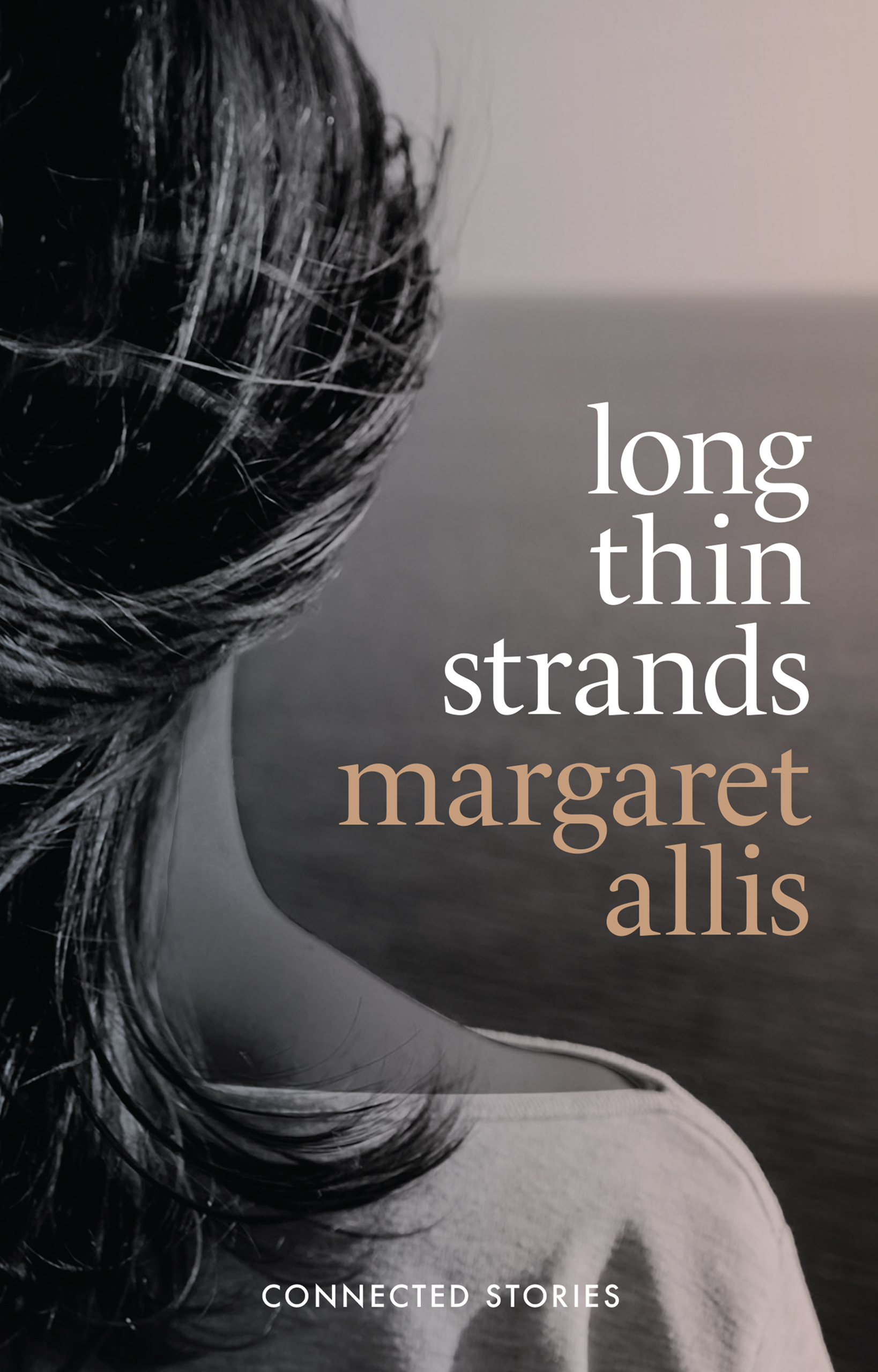
Long Thin Strands
Interconnected stories set against the landscape of Aotearoa New Zealand – where lives overlap and the past is never truly distant.
Long Thin Strands presents a recurring cast of characters whose lives and challenges cover diverse issues such as loneliness and grief, abuse and injustice, disability, and identity. While each narrative stands alone, they are part of a continuation – a delicate web of storytelling that explores how we are shaped by our community and our history.
Read Full SynopsisThe setting of this collection of short stories is the landscape and cultural background of the small South Pacific nation of New Zealand (Aotearoa) – where it is common for lives to overlap. A family and community come together around the ordeal of a child’s abduction. A girl forges an unlikely friendship with a recently separated woman and attempts to form her identity free from the burden of her drug-addicted mother.
The interlinked stories in Long Thin Strands present recurring settings and reappearing characters whose lives and challenges cover diverse issues such as loneliness and grief, abuse and injustice, disability and identity. Each story is a stand-alone short story. There is, however, a continuation of the narrative for many of the characters throughout the book.
These stories draw from the connection on this island country, a metaphor of our global human struggles and interconnectedness. The reader is offered intrigue in discovering the characters themselves and the choices they will make as their narratives unfold – as well as a chance to recognise a nation built on a history of pain, where compassion and courage emerge.
Themes of hope, courage and kindness as means of healing are an integral part of this interwoven narrative, which would best fit within the interlinked short story genre.
The Narratives
A family and community come together around the ordeal of a child's abduction, testing the strength of local bonds.
A girl forges an unlikely friendship with a recently separated woman, attempting to form her identity free from the burden of her drug-addicted mother.
A young man follows a quest to discover his culture and seek the truth regarding his missing mother.
A dentist navigating life as a husband and father uncovers a hidden passion, exploring identity within the traditional roles of mid-life.
Discover a nation built on a history of pain, where compassion and courage emerge.
Why short stories?
I love the short story genre. Once again there is a concise delivery of ideas or characters, while skipping the need for the drawn-out plot with its inciting incidents, progression of tension and character arcs of a novel.
The short story often has themes of isolation and loneliness, using metaphors and characters to develop ideas – often using a slice of life to speak a message. The idea of a short story, much like a short film, rather than tying up the ends for a tidy finish, often uses dénouement, leaving the ending open so the reader may take the story as their own and muse on what comes next.